Best Cleaning and Maintenance Practices for Rubber Floor Tiles

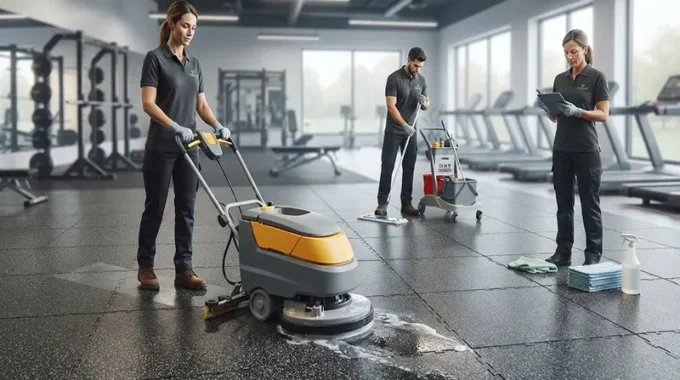
Rubber floor tiles are celebrated throughout the commercial fitness and residential gym industries for their incredible durability, shock absorption, and slip-resistant safety. However, a common misconception among facility managers and homeowners is that “durable” translates to “indestructible.” While rubber can withstand dropped barbells and heavy foot traffic, ignoring routine maintenance exposes the material to premature degradation, trapped bacteria, and aesthetic dullness. Establishing a structured, chemically correct cleaning and maintenance protocol protects your financial investment and ensures a hygienic, professional environment for years to come.

1. Daily and Weekly Preventative Maintenance Protocols

The foundation of any successful rubber floor maintenance program begins before dirt ever settles into the porous matrix of the tiles. Abrasive grit is the silent enemy of high-performance rubber.

  • Combating Abrasive Grit: Dirt, sand, and small stones act like microscopic sandpaper under athletic shoes and equipment. Daily sweeping with a soft-bristle push broom or dry-mopping with a microfiber
…

Weatherproof Outdoor Rubber Floor Tiles for Playgrounds and Patios

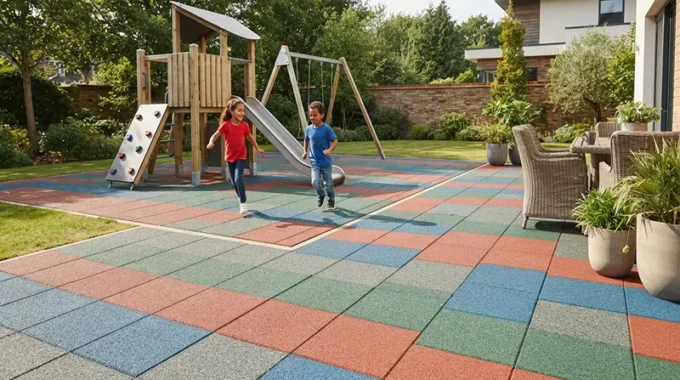
Designing an outdoor living area or backyard playground requires materials that can endure some of the harshest environmental extremes imaginable. While indoor flooring materials are protected from the elements, outdoor surfaces face a relentless barrage of scorching UV radiation, torrential downpours, rapid temperature swings, and sub-zero winter freezes. Standard indoor tiles or untreated wood quickly warp, crack, fade, or degrade under these conditions. Weatherproof outdoor rubber floor tiles bridge this gap, providing an all-season solution that combines commercial-grade impact safety, stunning aesthetic versatility, and long-term structural resilience.

1. Material Science and Weather Resilience (EPDM vs. SBR)

The durability of an outdoor rubber tile begins at the molecular level. Understanding the chemical composition of outdoor rubber ensures you select a product built to withstand years of direct environmental exposure without breaking down.

  • SBR vs. EPDM Composition: Most heavy-duty rubber tiles feature a core constructed from recycled SBR (Styrene-Butadiene Rubber), which provides
…

How to Install Interlocking Rubber Floor Tiles Without Adhesive

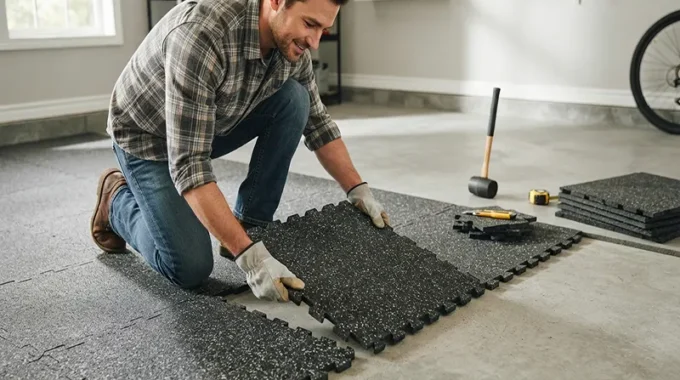
Transforming a bare garage slab or a basement concrete floor into a high-performance training sanctuary is one of the most rewarding upgrades a fitness enthusiast can undertake. However, the thought of working with sticky polyurethane adhesives, permanent chemical bonds, and messy cleanup often deters DIYers. Enter interlocking rubber floor tiles. Utilizing a “loose-lay” interlocking system, these heavy-duty tiles provide the exact impact absorption and durability of commercial facilities without the permanence or hassle of glue. With the right preparation and a few basic tools, you can achieve a professional-grade gym floor in an afternoon.

1. Subfloor Preparation and Moisture Management

A flawless installation begins long before you snap your first puzzle tab together. The lifespan and stability of your loose-lay rubber floor depend entirely on the condition of your subfloor.

  • Cleaning and Debris Removal: Sweep and vacuum the concrete, wood, or tile subfloor thoroughly. Any stray pebbles, grit, or dried
…

Heavy Duty Rubber Floor Tiles for Commercial and Home Gym Flooring

In any serious training environment, whether it is a bustling commercial fitness center or a dedicated garage setup, flooring is far more than an aesthetic choice—it is the literal and structural foundation of every lift, jump, and sprint. Too many fitness facility owners and home gym enthusiasts make the mistake of cutting corners with cheap, high-density foam mats or thin rubber rolls, only to watch them tear, curl, or compress under heavy loads. Professional-grade, heavy-duty rubber floor tiles represent the gold standard in the fitness industry, offering unmatched impact absorption, concrete subfloor protection, noise reduction, and long-term durability.

1. Why Heavy-Duty Rubber is the Gold Standard for Gyms

The engineering behind high-end gym flooring is rooted in material science. Premium heavy-duty rubber tiles are typically manufactured from recycled vulcanized rubber granules (often sourced from high-grade truck tires) bound together under intense heat and pressure. This vulcanization process cross-links rubber polymers, …

The Tax Advantage: Deducting Home Equity Interest for Your Kitchen Renovation

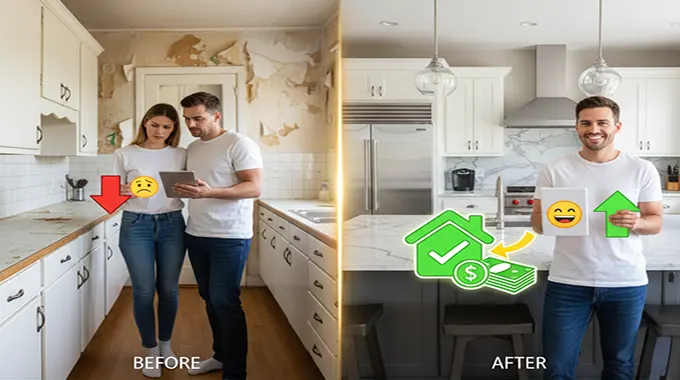
When financing a major project like a kitchen renovation using your home’s equity (via a Home Equity Loan or HELOC), a significant financial benefit often comes into play: the potential to deduct the interest paid on the loan from your federal income taxes.

However, this deduction is subject to strict rules set by the IRS, which were updated by the Tax Cuts and Jobs Act of 2017 and are currently in effect through 2025.

The Key Rule: Use of Funds is Everything

Under current tax law (2018-2025), the deductibility of interest on a HELOC or Home Equity Loan hinges entirely on how the money is used.

  • Deductible Interest: Interest is deductible if the borrowed funds are used to “buy, build, or substantially improve” the home that secures the loan.
    • Qualifying Use: A major kitchen renovation is a prime example of a “substantial improvement” because it adds value to the
…