

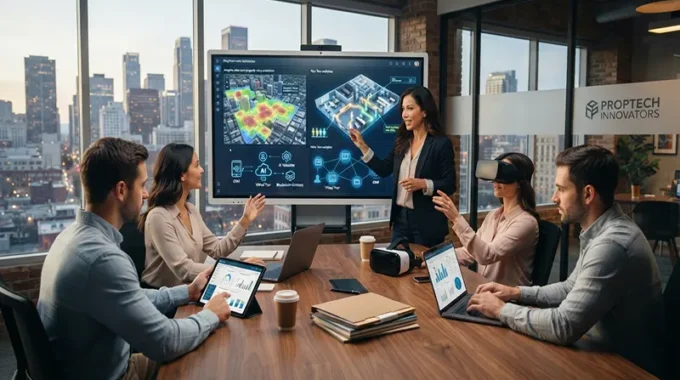
The real estate industry is undergoing a profound digital transformation. For decades, traditional brokerages and property management firms relied heavily on manual paperwork, fragmented communication channels, and localized networking. Today, that old operational model is rapidly giving way to a technology-driven ecosystem. Integrating artificial intelligence (AI) and property technology (proptech) is no longer a futuristic luxury or an optional experiment for tech-savvy early adopters; it is the primary operational differentiator for efficiency, client acquisition, and scalable market leadership.
1. Deploying AI-Driven Customer Relationship Management (CRM) and Lead Qualification
In real estate, speed to lead and consistent follow-up dictate conversion success. Yet, agents and brokers waste countless hours sorting through unqualified leads, organizing contact sheets, and manually drafting repetitive email sequences.
- Predictive CRM and Behavioral Analysis: Modern AI-integrated CRMs analyze buyer and seller behavior across digital touchpoints, scoring leads based on their likelihood to transact. By evaluating web activity, property view durations, and search parameters, predictive tools tell your team exactly who to call and when.
- Conversational AI and Instant Response: AI-powered chatbots deployed on your brokerage website can engage midnight inquiries instantly, answering complex zoning or pricing questions, booking property tours, and routing high-value prospects directly to an agent’s phone while freeing human staff from administrative friction.
2. Leveraging Proptech for Immersive Virtual Property Tours and Valuations
Geographic boundaries and time constraints used to limit how quickly a buyer or investor could evaluate a portfolio. Today, proptech visualization platforms have obliterated those barriers, enabling high-precision remote transactions.
- Digital Twins and 3D Spatial Scanning: High-end proptech tools create exact digital twins of residential and commercial properties. Remote buyers, out-of-town transferees, and institutional investors can walk through every square foot via immersive 3D spatial tours, taking precise measurements and examining finishes without stepping foot on site.
- Automated Valuation Models (AVMs): Utilizing deep market data sets, regional comps, and macroeconomic indicators, AVM proptech tools provide instantaneous, highly accurate property valuations that help agents advise sellers with institutional-grade precision.
3. Automating Property Management and Tenant Operations
For firms managing rental portfolios or commercial spaces, operational overhead can quickly eat into profit margins. AI and Internet of Things (IoT) integrations have redefined modern property management.
- Intelligent Maintenance Ticketing: AI-enabled property management platforms can automatically triage tenant maintenance requests, dispatch vetted local vendors based on urgency, and process work orders without human intervention.
- Smart Building IoT Integration: Smart thermostats, automated access control, and IoT leak-detection sensors installed across managed units protect physical assets from catastrophic damage while reducing utility costs and dramatically boosting tenant retention.
4. Data Security, Ethics, and Integration Best Practices
As real estate businesses adopt cloud-based proptech ecosystems, they handle massive volumes of sensitive financial records, social security numbers, and private client data. Implementing technology without strict security protocols invites catastrophic liability.
- Robust Cybersecurity Measures: Ensure all proptech vendors maintain enterprise-grade data encryption, multi-factor authentication, and compliance with privacy regulations.
- Avoiding Software Fatigue: Do not overwhelm your team by rolling out ten platforms at once. Adopt a phased integration approach—introducing one tool, ensuring full team adoption and training, and then scaling to the next layer of technology.
The Tech-Forward Roadmap
The integration of AI tools and proptech into your real estate business is ultimately designed to empower human relationships, not replace them. By automating administrative drudgery, streamlining tenant operations, and providing immersive digital experiences, technology allows brokers and agents to focus on what they do best: high-stakes negotiation, strategic advisory, and client care.