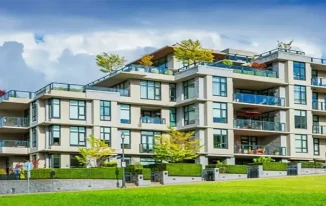


A home keeps its value for two kinds of reasons. Some belong to the unit itself, like layout and finish. Others come from outside, from decisions made at a planning desk years ago. For Linktown Residences, those outside reasons can matter as much as any showflat detail.
A master plan is the paper trail of those decisions. It shows what the city wants an area to become. Read it well and you can see how long term value might build. Read it badly and you chase rumours. This article sticks to the first path.
Plans That Lift Property Values
Certain plans tend to lift nearby homes. A new rail station, a large park, a fresh town centre. Each gives residents something useful. Around Lentor Signature, buyers often ask which of these changes lie ahead, since news of them can shape demand long before the work finishes.
Value follows usefulness. If a plan saves people time or adds comfort, more buyers will want to live there. If it only adds noise or traffic, the effect can turn the other way. Judge each plan by what it does for daily life, not by how grand it sounds.
Protected Views and Height Limits
Height limits decide how tall nearby buildings may rise. If the land in front of your window is capped low, your view has a better chance of surviving. If it is not, a new tower could rise there one day. Views are never owned, only borrowed. Practical, really.
Check the plan for open land, green zones and conservation areas near the site. Protected spaces are more likely to stay open. Unprotected plots are open for now, and that is all. Buyers who pay extra for a view should know which kind they are getting. A quick look saves regret.
Value Builds Over Decades
Master plans work slowly. A station can take years to open, a new district even longer. Long term value tends to follow that pace. Buyers who expect fast jumps often feel let down, while patient owners sometimes see the payoff much later. Slow money is still money.
Think in cycles of five to ten years. Ask yourself whether you can hold the home that long, through quiet stretches and noisy construction. If the answer is yes, planning gains have time to arrive. If it is no, a plan on paper may not help you at all.
Neighbourhood Upgrades That Matter
Upgrades come in many forms. Repaved roads, new cycling paths, a refreshed market, better lighting along walkways. None is dramatic, yet together they make a place nicer to live in. People rarely list these perks, but they feel them every day. Nicer places tend to hold their appeal when markets cool.
Watch the small signs of care. Are public spaces clean? Are playgrounds updated? Do plans mention renewals for older parts of the town? A steady stream of upkeep shows that authorities mean to keep an area healthy. Neglect shows too, and it spreads.
When Plans Quietly Change Course
Plans are not carved in stone. Budgets shrink, needs shift, and priorities move. A park may become smaller, a road may be rerouted, a site may find a new use. Changes often arrive in public notices that few people read. Annoying, yes, but normal for long projects.
Protect yourself by not leaning on one plan alone. If a home only works because of a single promised feature, the risk is high. If it works fine without it, anything extra is a bonus. That mindset keeps disappointment small. Treat promises as maybes until builders start digging.
Turning Plans Into Buying Decisions
Start with the official map for your area and mark what is built, what is under construction and what is only planned. Three colours on a printout work fine. The built part is fact. The rest is a mix of likelihood and hope.
Then match the map to your own timeline. Will you live there, rent it out or sell in a few years? Each plan fits differently. A rail line five years away suits a long holder. A buyer who must sell in two years may want a different home altogether.
Conclusion
Master plans shape value through transport, protected space, upgrades and timing. Linktown Residences and Lentor Signature both sit inside bigger plans that will keep moving. Knowing how those plans work helps you hold realistic hopes, which is half the battle. Hope is fine. Hope with evidence is better.
Read the map, visit the streets and ask what happens if a plan slips. Then pick a home that stands on its own merits, with planning gains as a bonus. Long term value rewards patience and good questions more than lucky timing. Take your time.