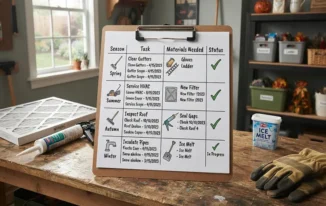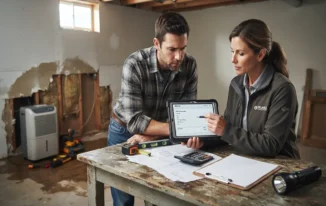

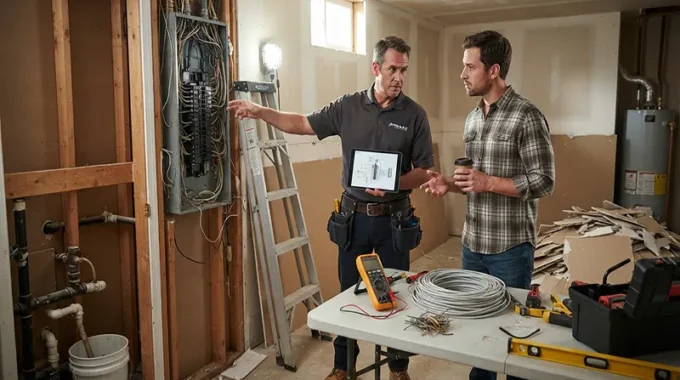
The modern DIY movement has empowered homeowners to tackle everything from painting bedrooms to installing flooring with incredible confidence and skill. There is a deep sense of satisfaction in completing a home project with your own hands. However, crossing the line from cosmetic weekend upgrades into complex structural or technical repairs without the requisite expertise can lead to catastrophic financial and physical consequences. Recognizing when a complex repair requires a licensed professional is not a sign of defeat; it is the ultimate mark of a smart, risk-aware property owner who values safety, legality, and long-term asset protection.
1. Structural Integrity and Load-Bearing Modifications
One of the most dangerous areas for amateur DIY experimentation is altering the fundamental framework of a house. A home is a complex system of weight distribution where every component works in harmony to withstand gravity, wind, and seismic loads.
- Modifying Load-Bearing Elements: Removing an interior wall, notching ceiling joists to run pipes, altering roof rafters, or tampering with foundation walls without professional calculation can lead to sagging floors, cracked drywall, or even catastrophic structural collapse.
- Engineering and Permitting: Local building codes strictly regulate structural changes. Licensed general contractors work alongside structural engineers to calculate load paths, install proper LVL (laminated veneer lumber) headers, and pull official municipal permits that ensure your home remains structurally sound and legally compliant.
2. High-Risk Electrical, Gas, and Plumbing Systems
Modern homes rely on sophisticated mechanical and utility systems that operate under high pressure, high voltage, or explosive volatility. Attempting shortcuts here introduces extreme danger.
- Electrical Hazards: While changing a light fixture or wall switch is a safe beginner project, opening up a main electrical service panel, running new circuits, or upgrading household wiring introduces severe electrocution and fire hazards. Faulty DIY electrical work is a leading cause of residential fires.
- Gas and Plumbing Overhauls: Modifying natural gas or propane lines risks gas leaks, explosions, and carbon monoxide poisoning. Similarly, major plumbing overhauls involving main waste stacks, sewer line replacements, or hidden behind-the-wall supply lines require specialized tools, soldering expertise, and rigorous code adherence to prevent thousands of dollars in hidden water damage.
3. Hazardous Material Abatement (Asbestos, Lead, and Mold)
Older homes carry immense charm, but they also frequently harbor dangerous hidden materials that require specialized containment and disposal protocols.
- Asbestos and Lead Paint: Disturbing popcorn ceilings, old floor tiles, pipe insulation containing asbestos, or sanding down layers of lead-based paint releases microscopic toxic fibers and heavy metal dust into the air. Inhaling these substances causes severe, long-term respiratory diseases and neurological damage.
- Severe Mold Remediation: Extensive mold infestations hidden within wall cavities or HVAC ductwork cannot be solved with household bleach. Professional abatement contractors use negative air pressure containment chambers, HEPA filtration units, and industrial antimicrobial treatments to completely eradicate toxic spores without contaminating the rest of the house.
4. The Financial and Legal Calculus of Professional Hiring
A common temptation for DIYers is saving money on labor costs. However, botched complex repairs frequently cost triple to fix once a licensed professional is finally called in to correct code violations and undo amateur mistakes.
- Warranty and Insurance Protection: If an unlicensed homeowner performs a major plumbing or electrical repair that subsequently causes a fire or flood, insurance companies may deny coverage, citing negligence or unpermitted work. Licensed contractors carry liability insurance and surety bonds, and their work is backed by legal warranties that protect your investment.
The Homeowner’s Decision Framework
Knowing your limits preserves your home’s structural health, safety, and long-term market value. Balancing DIY passion with professional expertise ensures that you enjoy the financial benefits of homeownership without exposing yourself to legal liabilities or physical danger.