
Designing an outdoor living area or backyard playground requires materials that can endure some of the harshest environmental extremes imaginable. While indoor flooring materials are protected from the elements, outdoor surfaces face a relentless barrage of scorching UV radiation, torrential downpours, rapid temperature swings, and sub-zero winter freezes. Standard indoor tiles or untreated wood quickly warp, crack, fade, or degrade under these conditions. Weatherproof outdoor rubber floor tiles bridge this gap, providing an all-season solution that combines commercial-grade impact safety, stunning aesthetic versatility, and long-term structural resilience.
1. Material Science and Weather Resilience (EPDM vs. SBR)
The durability of an outdoor rubber tile begins at the molecular level. Understanding the chemical composition of outdoor rubber ensures you select a product built to withstand years of direct environmental exposure without breaking down.
- SBR vs. EPDM Composition: Most heavy-duty rubber tiles feature a core constructed from recycled SBR (Styrene-Butadiene Rubber), which provides structural strength and impact absorption. However, premium outdoor tiles utilize a specialized wear layer made of virgin EPDM (Ethylene Propylene Diene Monomer) granules.
- UV Stability and Anti-Degradation: Unlike standard rubber that chalks, fades, or crumbles under intense sunlight, EPDM rubber possesses exceptional molecular resistance to ultraviolet radiation and ozone. High-grade polyurethane binders lock these granules together, ensuring that freezing winter temperatures and blazing summer heat waves do not cause the tiles to brittle, crack, or separate.
2. Engineered Drainage Systems and Moisture Management
Standing water on an outdoor patio is a slip hazard, while trapped moisture beneath a playground surface can breed mold and ruin the sub-base. Weatherproof rubber tiles are engineered with sophisticated water management systems.
- Grooved and Channel Backings: Quality outdoor tiles feature waffle-cut channels, channeled peg-backs, or porous matrix structures molded into their undersides. These engineered paths allow heavy rain to flow rapidly underneath the tiles and out toward the perimeter drains.
- Porosity and Slip Prevention: By eliminating standing puddles, these drainage systems ensure immediate traction after a storm, preventing algae growth, eliminating mosquito breeding zones, and keeping barefoot play areas safe and hygienic.
3. Sub-Base Preparation and Perimeter Security for Outdoors
An outdoor rubber floor is only as stable as the ground beneath it. Proper sub-base preparation and containment are vital to prevent shifting during freeze-thaw cycles.
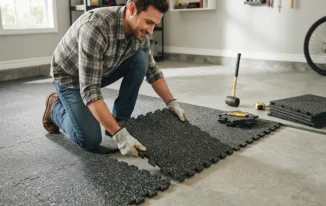
- Choosing the Right Base: Depending on your application, your sub-base will either be a properly sloped concrete slab (common for residential patios) or a compacted crushed stone aggregate base (standard for commercial and backyard playgrounds). The base must be graded outward by at least 1% to 2% to assist natural water runoff.
- Perimeter Containment and Wind Resistance: Outdoor installations require solid containment borders—such as landscape timbers, concrete curbs, or aluminum edging—to lock the tiles tightly in place. This perimeter framing prevents lateral shifting caused by foot traffic, heavy play equipment, or high winds.
4. Safety Standards, Impact Attenuation, and Accessibility
When rubber tiles are installed in a playground or recreational environment, safety performance and regulatory compliance become paramount.
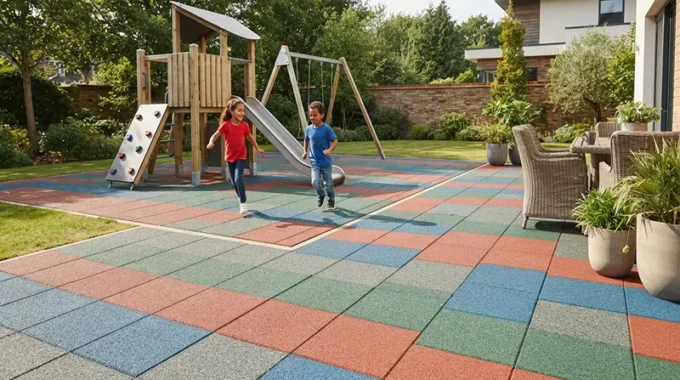
- Critical Fall Height Ratings: Playground surfacing must protect children from falls. Rubber tiles are rated for specific critical fall heights based on their thickness (ranging from 1.5 inches to 4 inches or more). Thicker tiles absorb high-velocity impacts, drastically reducing the risk of severe head injuries.
- ADA Compliance and Ergonomics: For patios and accessible routes, beveled rubber transition ramps ensure smooth, ADA-compliant wheel-chair and stroller access. Furthermore, the ergonomic give of rubber reduces joint fatigue during long hours of standing or entertaining outdoors.
Long-Term Care
Investing in high-grade weatherproof outdoor rubber floor tiles guarantees a resilient, safe, and visually appealing surface that stands strong against the elements for decades. By focusing on EPDM UV stability, proper drainage engineering, and solid sub-base preparation, your outdoor space remains virtually maintenance-free.
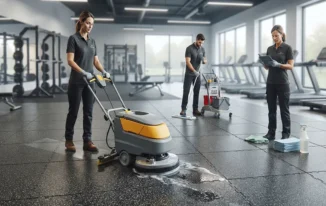
To preserve your investment, routine upkeep is remarkably simple: periodically sweep away organic debris like leaves and twigs, and rinse the surface using a garden hose or a low-pressure power washer combined with a mild, eco-friendly soap to keep your outdoor rubber flooring looking pristine year-round.