
When a midnight pipe bursts, a severe windstorm rips away a section of your roof, or an electrical panel starts sparking, panic is often the immediate emotional response. In high-stress home emergencies, homeowners are inherently vulnerable, frequently leading to rushed decisions and inflated repair bills. Knowing how to estimate fair market costs for emergency home services transforms financial panic into calm crisis management. By understanding pricing mechanics, emergency premiums, and typical scopes of work, you can protect your wallet and navigate unexpected disasters with confidence.
1. Understanding Emergency Service Premiums vs. Standard Rates
The first rule of estimating emergency repair costs is recognizing that emergency pricing operates entirely differently than scheduled home maintenance. Contractors and trade professionals alter their normal business operations to dispatch technicians on short notice, often in the middle of the night, on weekends, or during holidays.
- The Call-Out and Dispatch Fee: Unlike a standard scheduled service call which may be waived or cost between $75 and $150, emergency dispatch fees typically range from $150 to $350 just for a technician to arrive at your property outside of normal business hours.
- Emergency Labor Multipliers: Hourly labor rates during emergencies often jump significantly. While a standard plumber or electrician might charge $100 to $175 per hour during regular hours, emergency labor rates can scale to 1.5x or even 2x standard tariffs. Understanding this “urgency tax” helps you budget accurately and prevents sticker shock when the invoice arrives.
2. Breaking Down Costs for High-Frequency Emergency Repairs
While every emergency is unique, certain household crises occur with high frequency. Having a baseline pricing framework for these common scenarios allows you to spot unreasonable bids instantly:
- Plumbing Emergencies:
- Main Water Line Breaks / Burst Pipes: Excavation, pipe replacement, and water shut-off can range from $1,000 to $4,000+ depending on whether the break is indoor or underground.
- Water Heater Failures: Emergency tank replacement (including disposal, unit cost, and installation) typically spans $1,500 to $3,500.
- Electrical Emergencies:
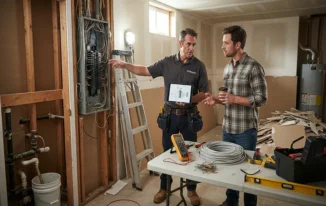
- Sparking Panels or Tripped Mains: Emergency diagnostic and emergency breaker replacement usually runs between $250 and $800. If the main service mast is damaged by a storm, repairs can cost $2,000 to $5,000 including utility coordination.
- Roofing Emergencies:
- Emergency Tarping: After a major storm, immediate roof tarping to prevent interior water damage generally costs $300 to $1,000 depending on roof pitch and square footage.
- Sudden Leak Patches: Replacing underlayment and missing shingles in an emergency repair framework often ranges from $500 to $1,500.
3. The Material vs. Labor Cost Matrix
When evaluating an emergency quote, separating material expenses from specialized labor is critical for transparency.
- Labor Multipliers and Regional Variations: Labor constitutes the largest variable in emergency estimates. Local cost-of-living adjustments mean emergency services in major metropolitan areas will carry much higher labor multipliers than in rural regions.
- Mitigation and Hazardous Materials: Disasters rarely occur in a vacuum. Emergency water extraction, structural drying equipment rentals, or the safe mitigation of hazardous materials like asbestos or mold can add baseline costs ranging from $1,500 to $5,000+ before actual structural repairs even begin. Always request an itemized scope of work separating mitigation from reconstruction.
4. Working with Insurance and Documentation Best Practices
For major home disasters, your emergency repair costs will often intersect with homeowners insurance claims. Proper documentation is your greatest financial safeguard.
- Visual Evidence: Before any emergency mitigation begins (unless active danger prevents it), take clear, high-resolution photos and videos of the damage from multiple angles.
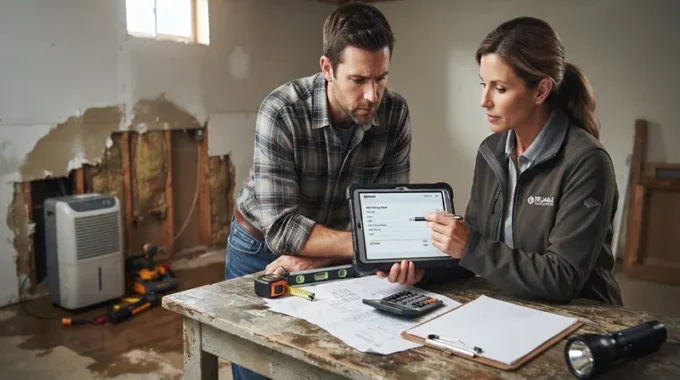
- Itemized Invoices and Indemnification: Ensure your emergency contractors provide detailed, itemized invoices rather than a single lump-sum figure. Insurance adjusters require transparent scopes of work to process claims smoothly under the principle of indemnification—returning your property to its pre-loss condition.
Preparedness Framework Accurately estimating emergency home repair costs requires understanding that speed and urgency carry a financial premium. By familiarizing yourself with standard emergency rates, material-versus-labor matrices, and proper claims documentation, you insulate yourself against predatory pricing.